On October 15 Google switched on Universal Cart for US shoppers in Search and the Gemini app: one cart that holds products from many stores at once. The launch list is Walmart, Target, Nike, Sephora, Ulta Beauty, Wayfair and a few Shopify brands. Each of them has its own engineers or a platform that did the work for them. A business on its own systems gets in by building to Google's spec, applying and waiting to be picked.

Universal Cart lets a shopper save products from several retailers in one place, according to Google's launch announcement as reported by PYMNTS and TechCrunch. It watches for price drops and restocks, suggests the card with the best perks, applies promo codes, and then either checks out with Google Pay or hands a filled cart to the retailer's own site. The retailer stays the merchant of record. To take part, a merchant implements the cart API in the Universal Commerce Protocol (UCP), applies through Merchant Center and waits to be selected. Google hasn't published how it picks. YouTube and Gmail are due to get the cart later, and the launch itself slipped from "this summer" to mid-October.
One detail changes how a retailer should think about this. PPC Land's reading of Google's developer guides, backed by eWeek, is that Google calls the retailer once, when the cart is handed over. Browsing, comparing and saving all happen on Google. The store only hears about the shopper at the end, and only if it was built to answer.
The shopper fills the cart on Google. Your systems get one call, at the end, and only if they're ready for it.
The cart is leaving the store's website, and the stores that come along are the ones an agent can call.
For twenty years the cart sat on the merchant's site, and everything upstream of it, from search ads to shopping listings and reviews, was a way to get people there. Universal Cart moves the cart itself into Google. Shopify made a matching move two days earlier. On October 13 it opened its catalog of more than a billion listings to any shopper's AI agent, according to reports of the announcement in The Verge, so a shopper can link the agent they already use to their Shop account and pay with Shop Pay inside the conversation. Until now that access went to named partners. Shopify merchants got the wider reach without doing anything.
Google put the cost of sitting this out plainly. Speaking to hotel and travel companies at the WTTC Global Summit on October 12, Christie Travers-Smith, Google's EMEA strategic partnerships director, said a property AI agents can't verify "will be invisible," RusTourismNews reported. And reach through someone else's site is getting less reliable. TechCrunch reported on October 6 that early agent users are being blocked by Yelp, eBay, Zillow, Pizza Hut, Adidas and several airlines, and Yelp says it bars agents that haven't paid for its data licensing program.
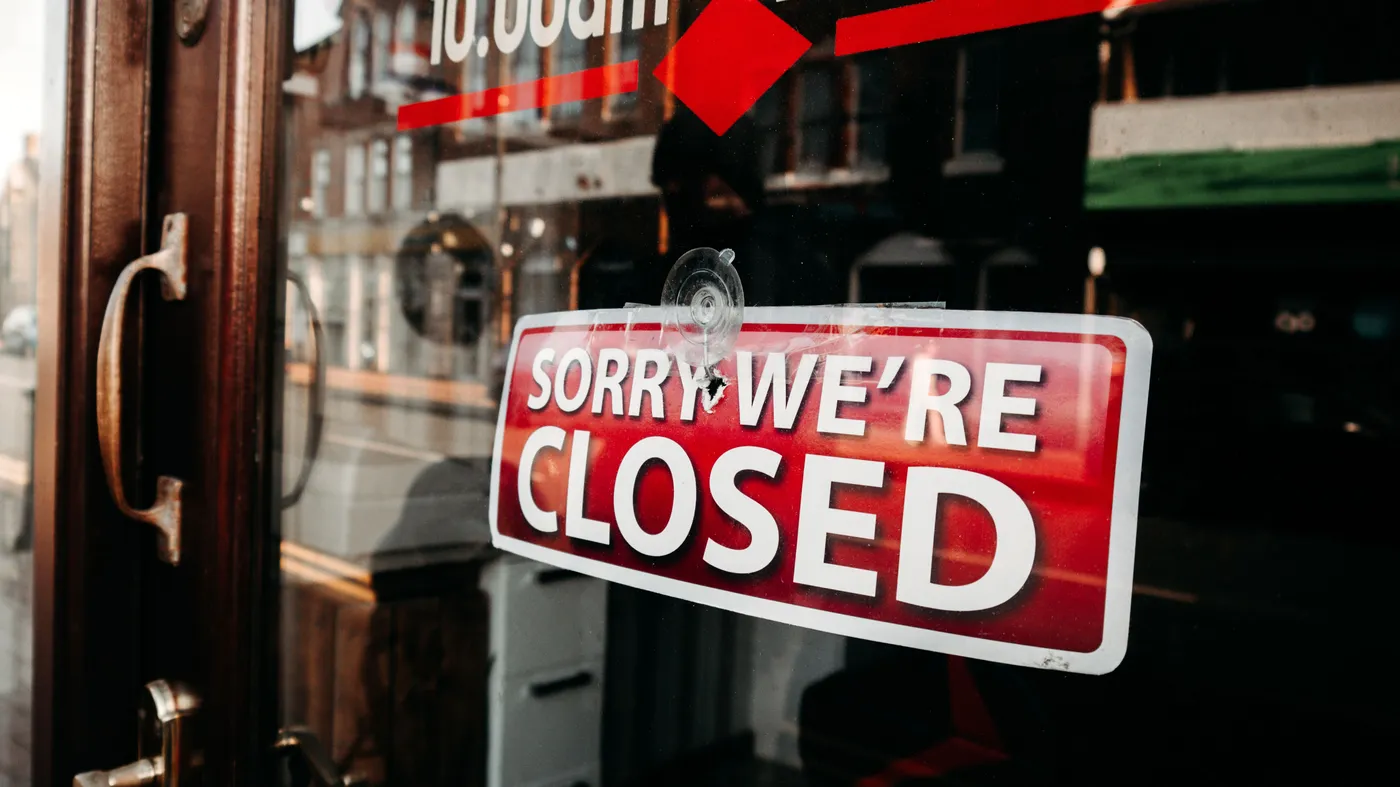
Last week Google published the checklist. This week it opened the store, and the launch list shows who had already done the work.
Our last briefing walked through Google's new Merchant Center hub and the build it asks for before a merchant can even apply: a UCP profile on your own domain, a cart endpoint and a sandbox test. That was the paperwork. Universal Cart is the product it feeds, and it's now in front of US shoppers. The launch roster splits into two groups.
| On a big commerce platform | On your own systems | |
|---|---|---|
| Who builds the UCP cart API | The platform | You |
| How you get listed | Through the platform's own plans with Google | Apply in Merchant Center and wait to be selected |
| Selection criteria | Set by the platform and Google | Not published |
| Named at launch | Shopify brands such as Fenty and Steve Madden | Retailers with their own engineering teams: Walmart, Target, Nike, Sephora, Ulta Beauty, Wayfair |
Source: Google's Universal Cart launch, as reported by PYMNTS, TechCrunch, Search Engine Roundtable and PPC Land, October 15 and 16, 2026.
The rules for paying moved too. On October 13 American Express published a framework it calls Intent Intelligence. An agent records what the shopper wants and the limits on it, such as which merchant and how much, the shopper signs off, and Amex issues a proof-of-intent token that narrows what the card can be used for at checkout. Amex chairs the agentic commerce working group at EMVCo, the body that sets card standards, and says it hopes the framework becomes the industry norm. If it does, every agent purchase will carry a record of what the shopper approved, and merchants will need to be just as clear about what an agent may do in their systems.
If your products can't land in a shopper's cart this holiday season, a competitor's will.
Salesforce predicts that AI agents will drive 20% of holiday ecommerce traffic this year, and that one in three ecommerce sites will have its own shopper agent live by Cyber Week. That's a forecast, but it comes from a company that sees a great deal of retail traffic. Universal Cart sits right in the path of it. A shopper who saves a jacket from one launch retailer and boots from another will finish the order in the cart they already started, and a store that isn't in it never comes up.

Accuracy is the other half. BrightEdge looked at the holiday pages ChatGPT cites for six major US retailers and found about one in ten were from a past year, MediaPost reported on October 14. That's a small sample from an SEO vendor, so read it as a direction rather than a measurement. But it shows what happens when an AI describes you from whatever it found on the web: even the biggest retailers get last year's prices and promotions. An agent that asks your system directly gets today's answer.
Google hasn't said how quickly it will add merchants beyond the launch list, or what gets one picked. It has said the build comes first. A merchant off the big platforms that wants to be considered for the holidays is starting behind every retailer on that list.
Every route into Google's cart starts from an interface you publish on your own domain. That's the layer we build.
BeaconSpec is the discovery layer for agentic commerce. You already run APIs behind your catalog, booking engine or ordering system: REST, OpenAPI or GraphQL. We turn them into one curated server an agent can call directly and publish its UCP profile at your own /.well-known/ucp. Your catalog is served in UCP's product format, so an agent asking about a product, a price or what's in stock gets the answer your system gives today, not a page it found last year.
You pick exactly which operations an agent may use, and anything you leave off doesn't exist as far as the agent is concerned. That matters more now that Amex is writing down what a shopper approved. When a task needs the customer signed in, like checking an order, we handle the standard OAuth login so the agent works inside that customer's own account, with no shared passwords.
We host it, or hand you a sealed container to run in your own environment. BeaconSpec isn't a platform, a marketplace or a payment network, so the interface belongs to you and doesn't depend on anyone else's plans. UCP keeps changing, and Google is already lining up YouTube and Gmail for the cart. Keeping your published interface correct as that happens is our job.
Google's cart is live, and the businesses in it have an engineering team or a platform behind them.
Getting in from your own systems means publishing a UCP interface Google can call, then applying in Merchant Center and being picked.
Salesforce expects a fifth of holiday ecommerce traffic to come from AI agents. The interface you publish on your own domain decides whether your products can be part of it.
Worth watching over the next month: which merchants off the big platforms Google adds to Universal Cart, and how fast; whether Shopify names the agents it lets into its catalog first; the Personal Agent Protocol's first numbered spec, still promised for October; and whether EMVCo takes up Amex's intent framework.
BeaconSpec exists for exactly this shift: making your business discoverable and transactable by AI agents over UCP, on an interface you publish and control, kept correct as the standards underneath it keep changing.
See what we do • Try the free AI Visibility Checker • Read more articles
David Soden writes about automation, web strategy, and building durable technical systems for businesses. Photography via Pexels (Nataliya Vaitkevich, Lisa Fotios, Karolina Grabowska). Figures cited are drawn from Google's Universal Cart launch as reported by PYMNTS, TechCrunch, Search Engine Roundtable and 9to5Google (October 15, 2026); PPC Land and eWeek on how Universal Cart calls retailers (October 16, 2026); reports of Shopify's catalog announcement in The Verge, via Smartworld and Toolnavs (October 13, 2026); American Express's Intent Intelligence framework, via The Paypers (October 13, 2026); RusTourismNews on Google's remarks at the WTTC Global Summit (October 12, 2026); TechCrunch on sites blocking AI agents (October 6, 2026); Salesforce's 2026 holiday retail predictions; and BrightEdge's analysis of ChatGPT-cited holiday pages, via MediaPost (October 14, 2026).