
In the last week of October, The RealReal, Kohl's, Tapestry, Chewy and Neiman Marcus were all reported limiting what AI shopping agents can do on their sites. On October 28 Forrester told retailers to stop blocking every bot, because some of those bots are their customers' own shopping agents. Both sides have a point, and a bot blocker can't satisfy either of them.

Gizmodo pulled the list together on October 27. The RealReal is tightening its bot defenses after reporters at The Verge used Meta's Muse agents to keep items on hold for hours, stretching a 20-minute cart hold so other shoppers couldn't buy them. Tapestry, which owns Coach and Kate Spade, and Kohl's don't let agents complete purchases, according to the Wall Street Journal. Chewy and Neiman Marcus block some agents. Delta doesn't let agents buy tickets yet. Amazon blocked Muse soon after it launched.
Each of those calls makes sense on its own terms. A bot blocker is the one control most sites have over automated visitors, and it has two settings. Leave it open and an agent can do anything a person can do on the website, including things the site was never designed to let a machine do a thousand times an hour. Close it and the agent goes elsewhere, along with the shopper who sent it.
A bot blocker has two settings, invisible or uncontrolled. Shopping agents need a third.
Shoppers are doing their research through AI, and the buying is pooling with whoever is easiest for an agent to buy from.
Forrester says 80% of online adults in the US, UK and Canada who have used AI tools to shop use them to evaluate products they might buy. That research step is where a shortlist gets made, and an agent can only shortlist a store it can read.
The biggest players are pulling that step inside their own walls. On its third-quarter call on October 29, Amazon said more than 400 million people had used Alexa for Shopping in the past 12 months, up from 350 million in July, Modern Retail reported. Andy Jassy said outside agents could be allowed over time, but that Alexa will be "the primary shopping agent customers use to shop Amazon." For now ChatGPT and Muse stay blocked. PYMNTS Intelligence found where that leaves the purchases.
Share of consumers whose purchase went to Amazon: all main purchase completions, against their most recent AI-assisted purchase.
Source: PYMNTS Intelligence, "Will the 2026 Shopping Season Go Agentic?", reported October 30, 2026. PYMNTS did not give the sample size in its article.
Amazon's share is ten points higher when AI helped with the purchase. The likeliest reason is that an agent goes where it can finish the job, and Amazon has made sure that's Amazon.
The platforms are taking the opposite route on behalf of their merchants. Shopify's Fall '26 Edition, published October 28, lets any agent connect to Shopify Catalog, sign shoppers in with Shop, build a cart and check out with Shop Pay, with no key required. Shopify merchants also get a knowledge base where they review and publish the store facts agents receive. So one giant keeps outside agents out, and the other lets them all in while giving its merchants a say in what agents are told.
Last week Walmart built its own door. This week the rest of the market split between closing theirs and asking how to decide.
Our last briefing covered Walmart's Agent Gateway, a server approved agents connect to under rules Walmart wrote. That was the clearest picture yet of a retailer that had decided agents were customers and built them an entrance. The blocking list is what happens when a retailer reaches the same question without the means to build one.
Forrester's post, by Emily Pfeiffer and Sandy Carielli, moves the decision to a new desk. "Stop treating every bot as the same problem," it says, and it splits automated traffic into five groups: malicious automation, known partners, answer engines, commerce agents, and shopping agents a customer has authorized. Each gets its own policy. Security teams decide how access is trusted. And "commerce teams need to decide which external agents they want to serve and what those agents should be able to do."
That last sentence is the shift. For years bots were a security problem with one goal, keeping them out. Forrester is saying some of them are customers now, and deciding what they may do is a sales decision.
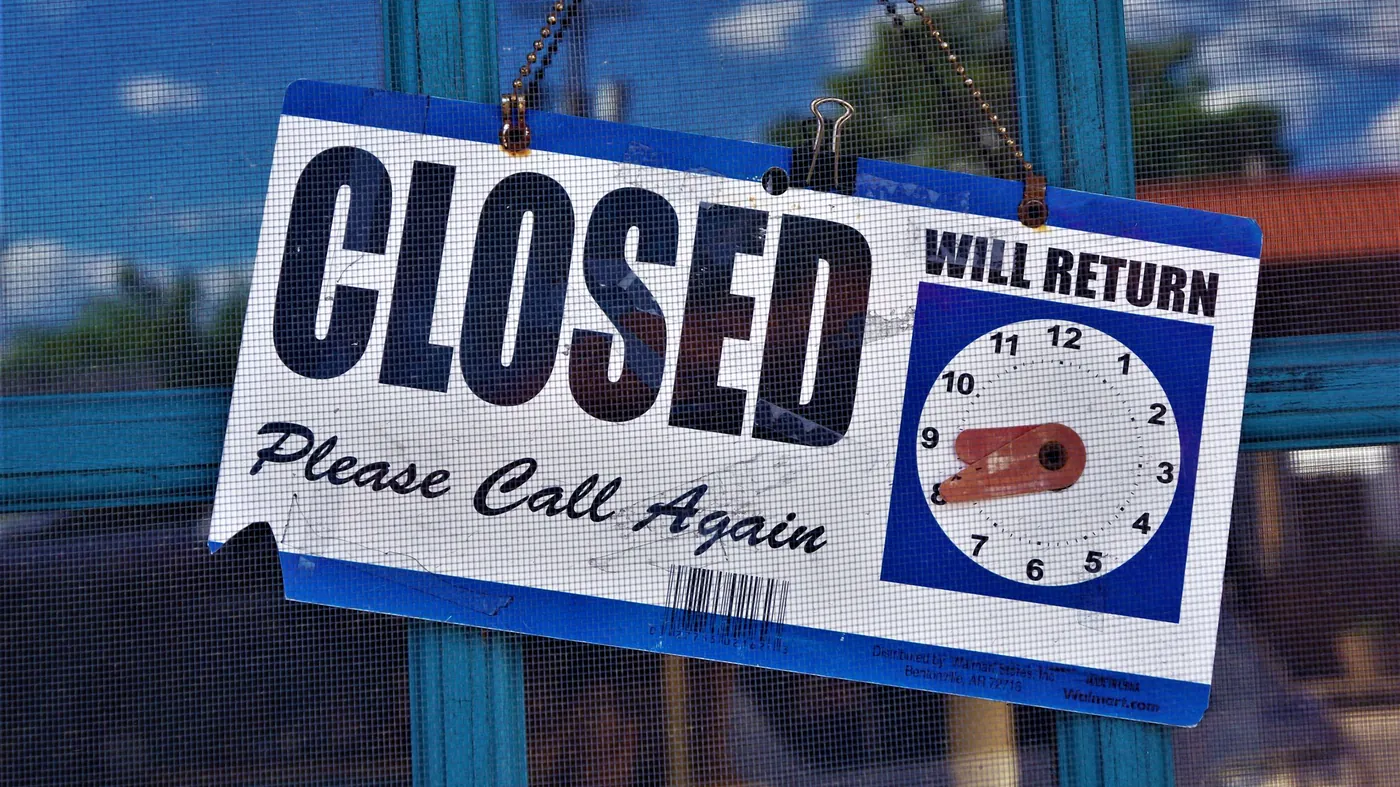
Blocking keeps you safe from agents and invisible to them. Opening the website to them gives you no rules at all.
Close the door and you drop out of the research step Forrester describes, while the purchases keep flowing to whoever an agent can buy from. PYMNTS's numbers show who that is today. Leave the website open and you get The RealReal's problem: an agent working a page built for people, in ways nobody planned for.
Shoppers want rules too. Deloitte surveyed 4,000 US consumers and found only 16% trust AI agents to complete purchases for them, and 66% worry about their data, Adweek reported on October 28. A store that can say exactly what an agent may and may not do there is answering that worry instead of hoping it fades.
The timing helps. Agent orders are still small, and the companies closest to the money say so. DoorDash's CEO told Business Insider that agents have placed "several hundred orders in total," against 3.2 billion orders in 2025. Visa called the quarter "a bit of a tipping point" but expects agent transactions to stay very small for the next four quarters. Mastercard's CEO said "the numbers are not yet significant." So this is the quiet stretch to set your rules, before the volume shows up in a holiday rush and the decision gets made by whatever your bot blocker does by default.
We build the third option, a door for agents with your rules on it.
BeaconSpec is the discovery layer for agentic commerce. You already run APIs behind your catalog, booking engine or ordering system: REST, OpenAPI or GraphQL. We turn them into one curated MCP server, the open protocol AI assistants use to call outside tools, and publish its UCP profile at your own /.well-known/ucp, so agents can find it and call it instead of working your web pages.
Curation is Forrester's "what those agents should be able to do," written down. You pick exactly which operations an agent may call, and anything you leave off doesn't exist as far as the agent is concerned. If you want agents searching your catalog and checking stock but not touching anything else yet, that's the list. When a task needs the shopper signed in, like checking an order, we handle the standard OAuth login so the agent works inside that shopper's own account, with no shared passwords. Prices and stock come straight from your systems.
We host it, or hand you a sealed container to run in your own environment. BeaconSpec isn't a platform, a marketplace or a payment network, so the door belongs to you and nobody else decides who comes through it. Publishing an interface doesn't send shoppers your way on its own. It makes you something an agent can call when a shopper sends one. The standards underneath keep changing, and keeping your interface correct as they do is our job.
A smaller, separate thing worth doing
Shopping agents are one kind of AI visitor. The AI crawlers that read your pages are another, and you can set which of those you allow in a plain text file. Answer three plain questions and our AI Visibility Checker writes a robots.txt that says exactly which AI crawlers may reach your site.
Check your AI visibility →No sign-up. Copy the result and paste it into your site.
A bot blocker gives you two choices with AI shopping agents, invisible or uncontrolled. A published interface with your rules on it is the third.
Forrester now says deciding which agents to serve, and what they may do, is a commerce decision.
Agent volumes are small this year, which makes now the cheap time to decide.
Worth watching over the next month: how many agent orders Visa and Mastercard report from the holidays; whether Amazon lets any outside agent in; which retailers join the blocking list; and Walmart's gateway and Agent Profiles moving out of beta.
BeaconSpec exists for exactly this shift: making your business discoverable and transactable by AI agents over UCP, on an interface you publish and control, kept correct as the standards underneath it keep changing.
David Soden writes about automation, web strategy, and building durable technical systems for businesses. Photography via Pexels (Srattha Nualsate, Elena, Kampus Production). Figures cited are drawn from Gizmodo on retailers restricting AI agents, citing The Verge, the Wall Street Journal and TechCrunch (October 27, 2026); Forrester, "Don't Block All The Bots" (October 28, 2026); Modern Retail on Amazon's third-quarter call (October 29, 2026); PYMNTS Intelligence, "Will the 2026 Shopping Season Go Agentic?" (October 30, 2026); Shopify's Fall '26 Edition developer post (October 28, 2026); Adweek on Deloitte's consumer survey (October 28, 2026); Business Insider on DoorDash (November 1, 2026); and AIM Media House on Visa's and Mastercard's earnings calls (October 27 and 29, 2026).